

Robinson House
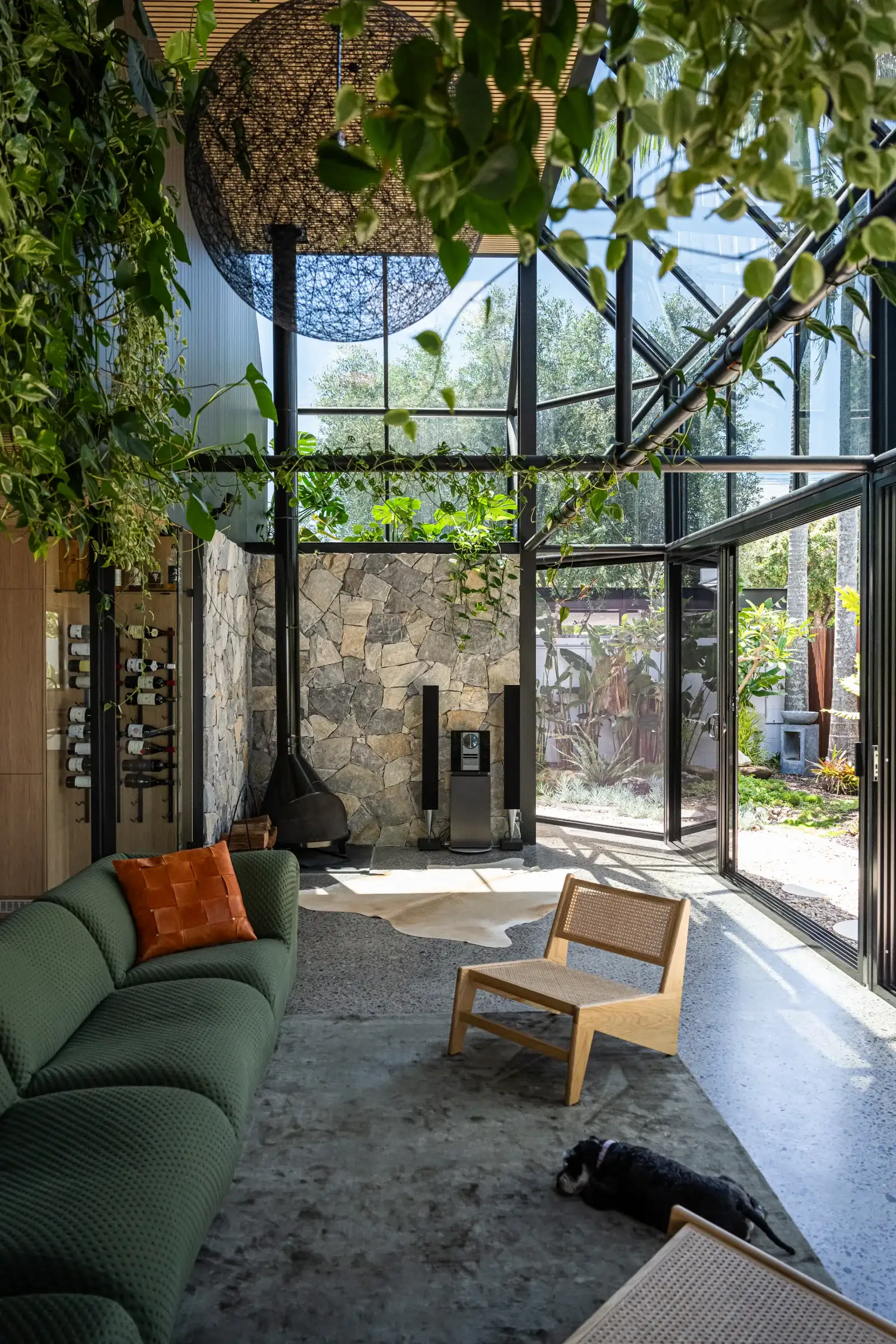
A unique in-house project, this home was acquired for its architectural significance with the intention of thoughtfully re-imagining it for contemporary living. Originally designed in 1976 by architect Noel Robinson for his parents, the residence is a rare example of post-modern Brutalist architecture, constructed entirely from concrete, glass, and steel. The project received an RAIA Citation for Meritorious Architecture in 1978, recognising the strength and clarity of its structural expression.
We were fortunate to gain access to the original architectural drawings, allowing the project to proceed with a deep understanding of the building’s original intent. Rather than altering the fundamental form, the design approach focused on working within the existing structure, ensuring that the architectural language and massing remained intact. The intervention centred on adapting the home to suit contemporary living requirements while maintaining a strong respect for the principles that shaped the original design.
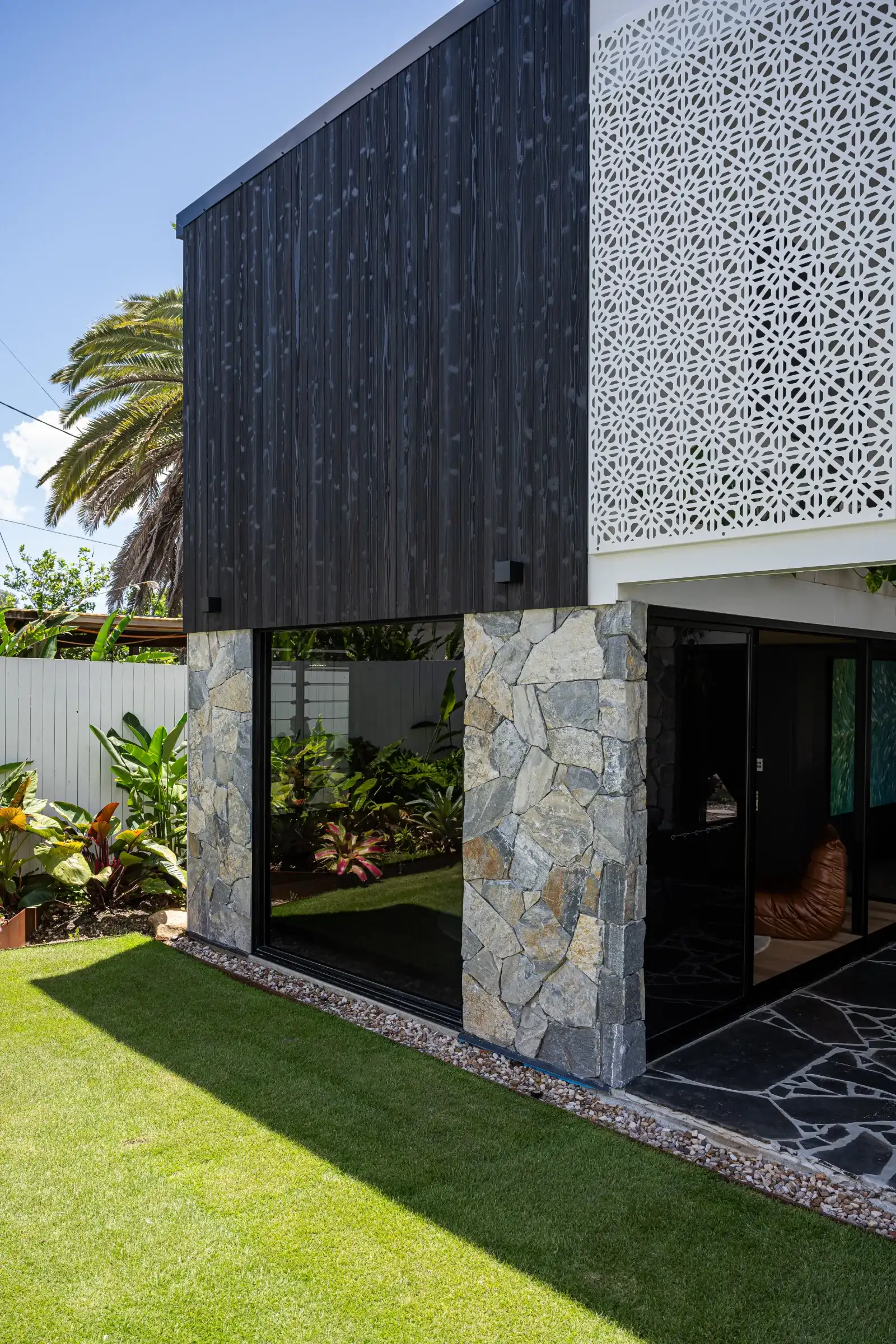
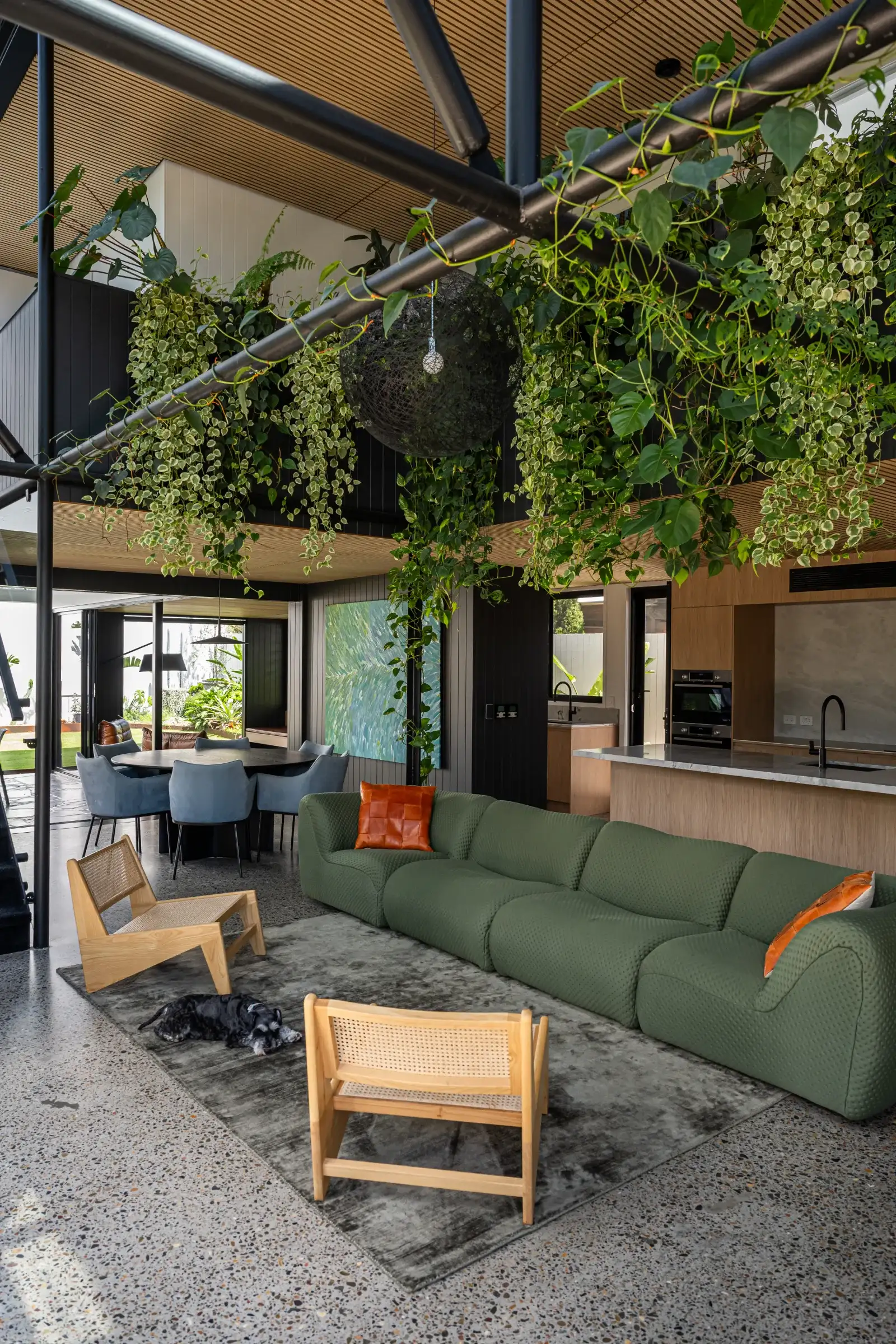
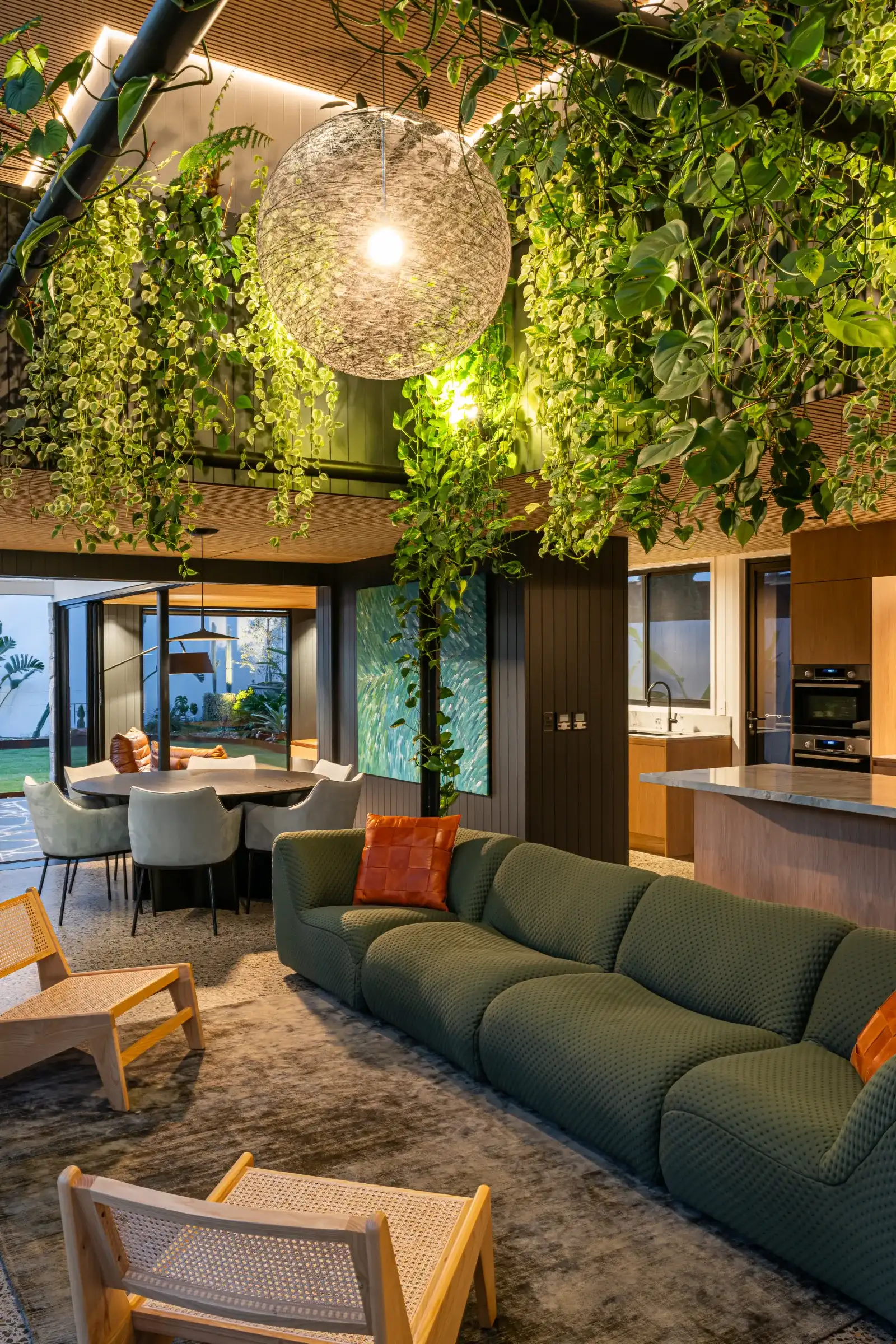
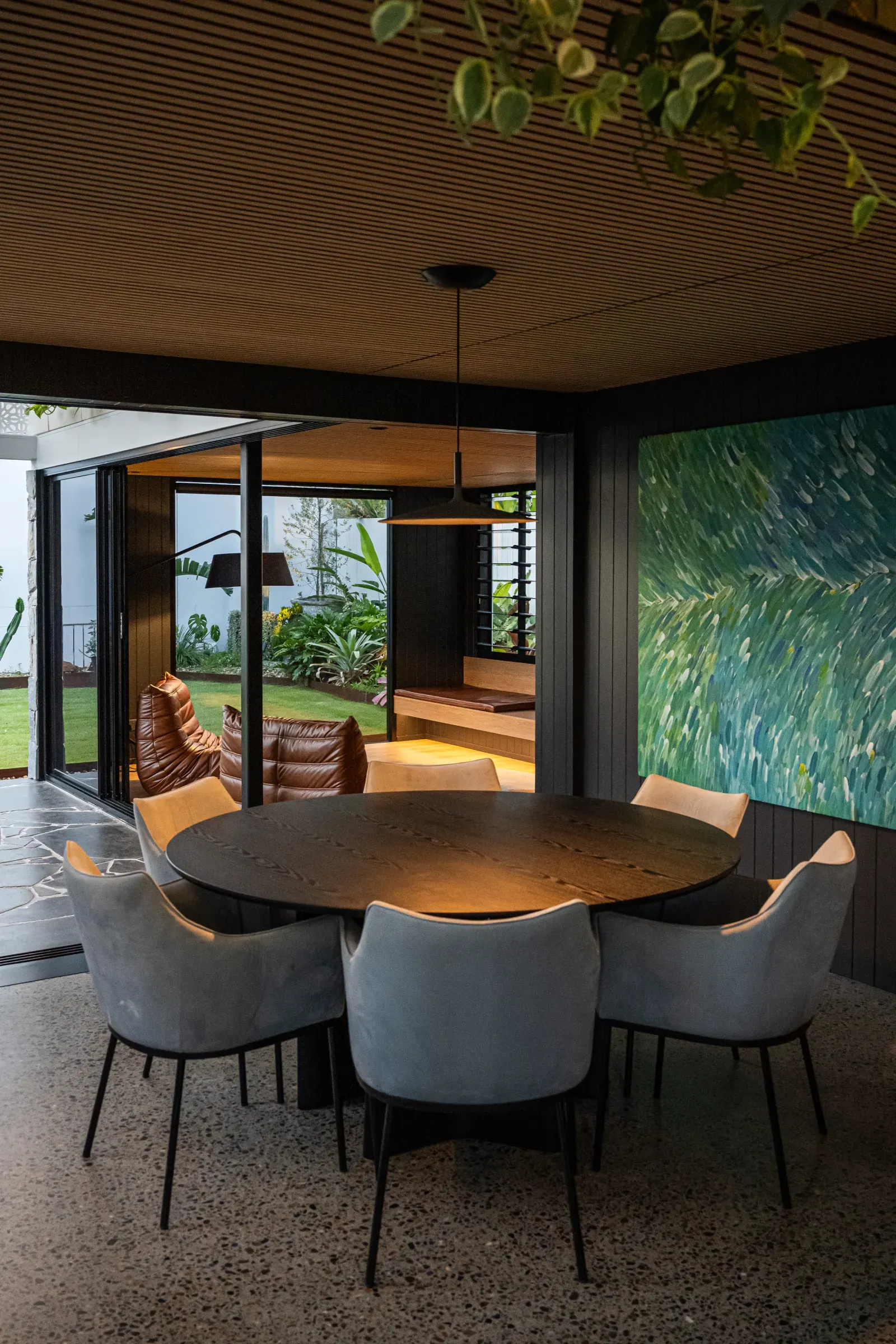
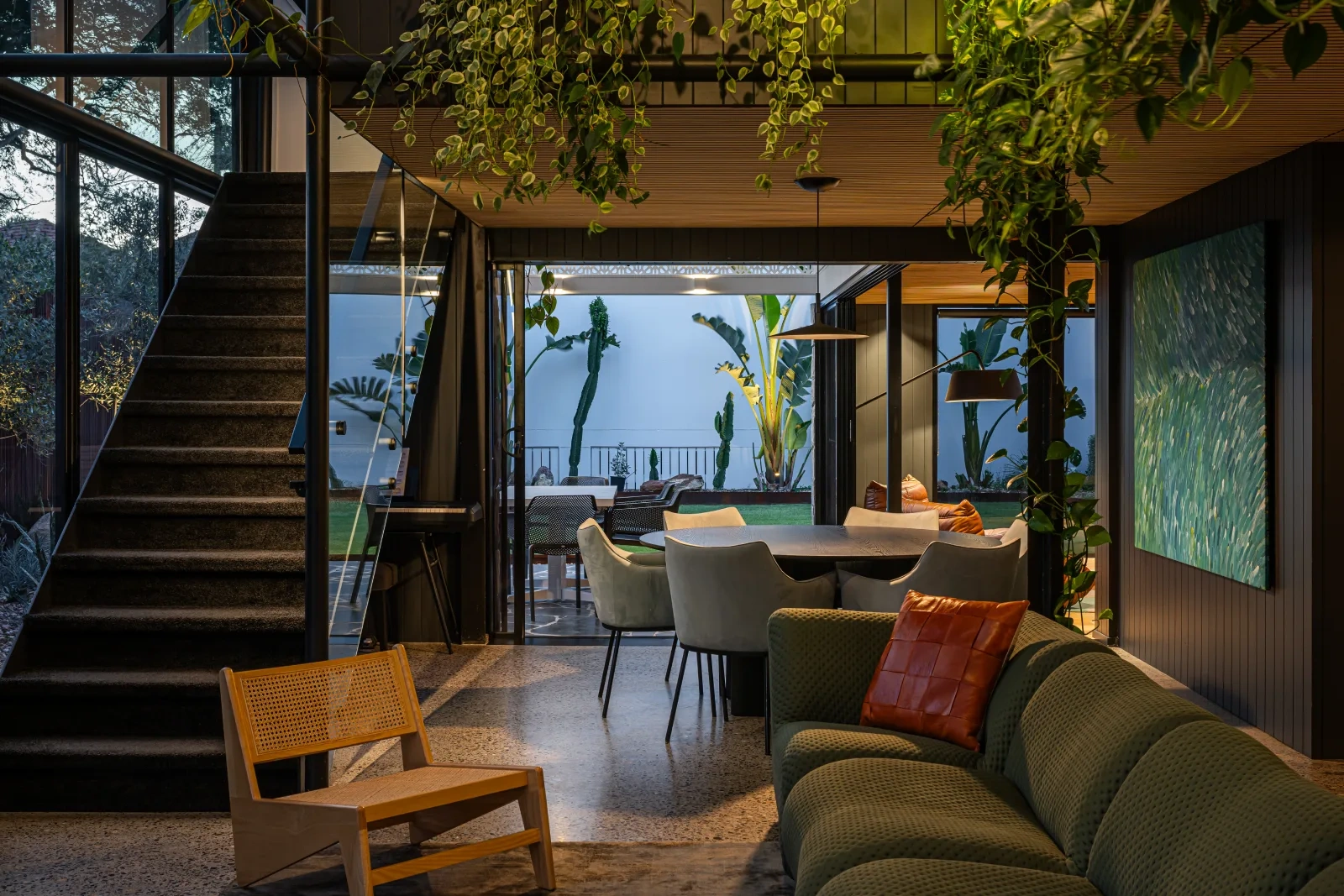
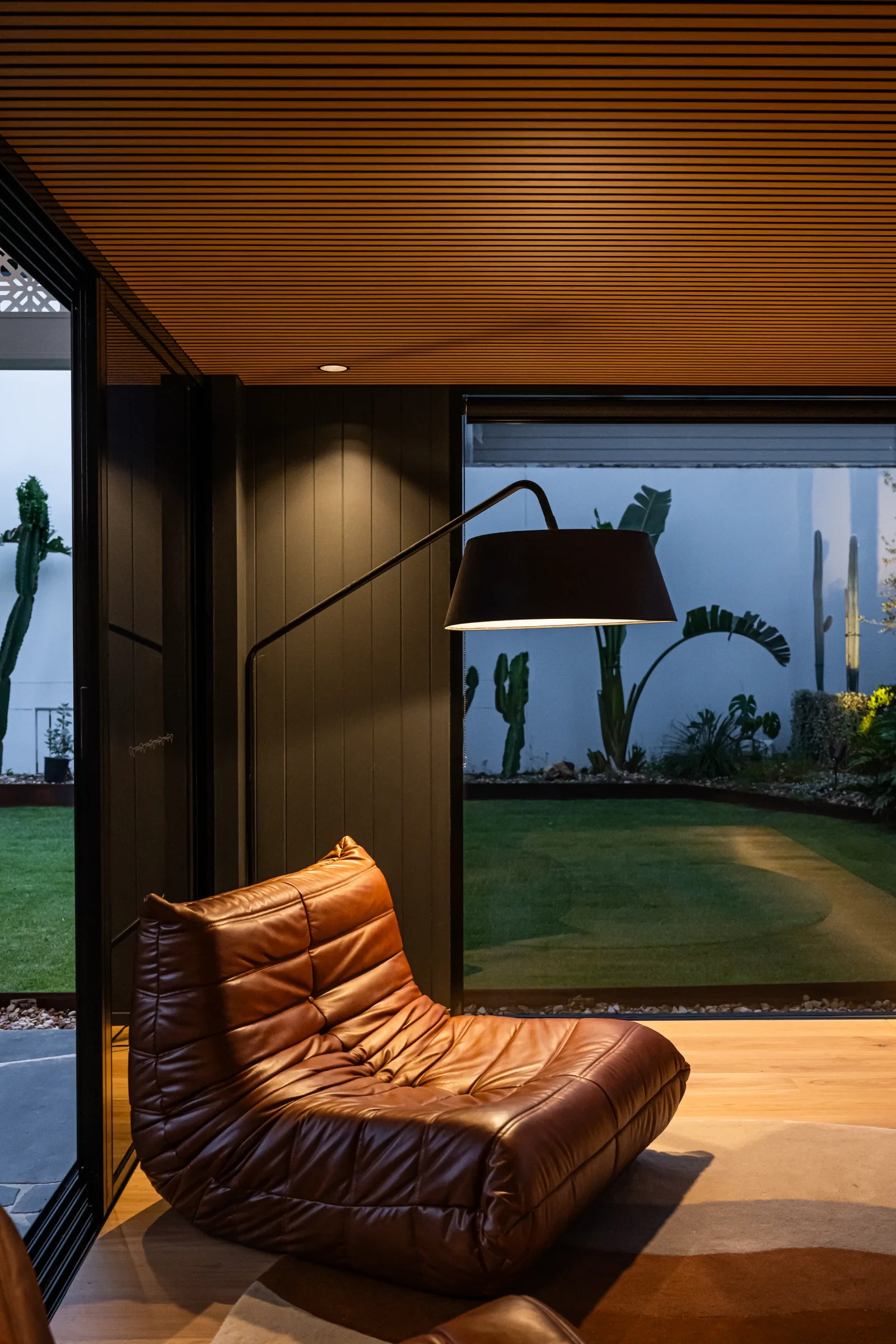
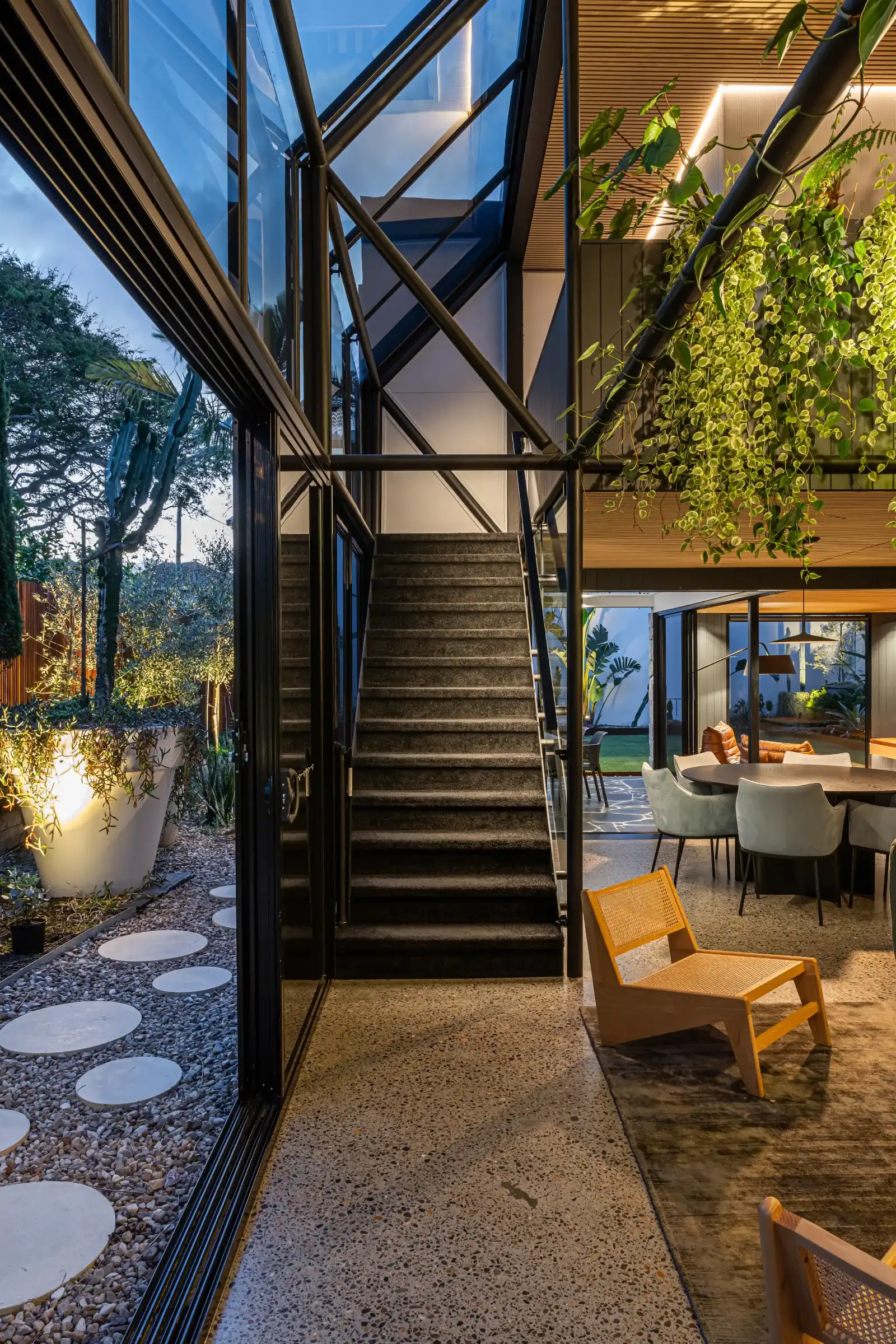
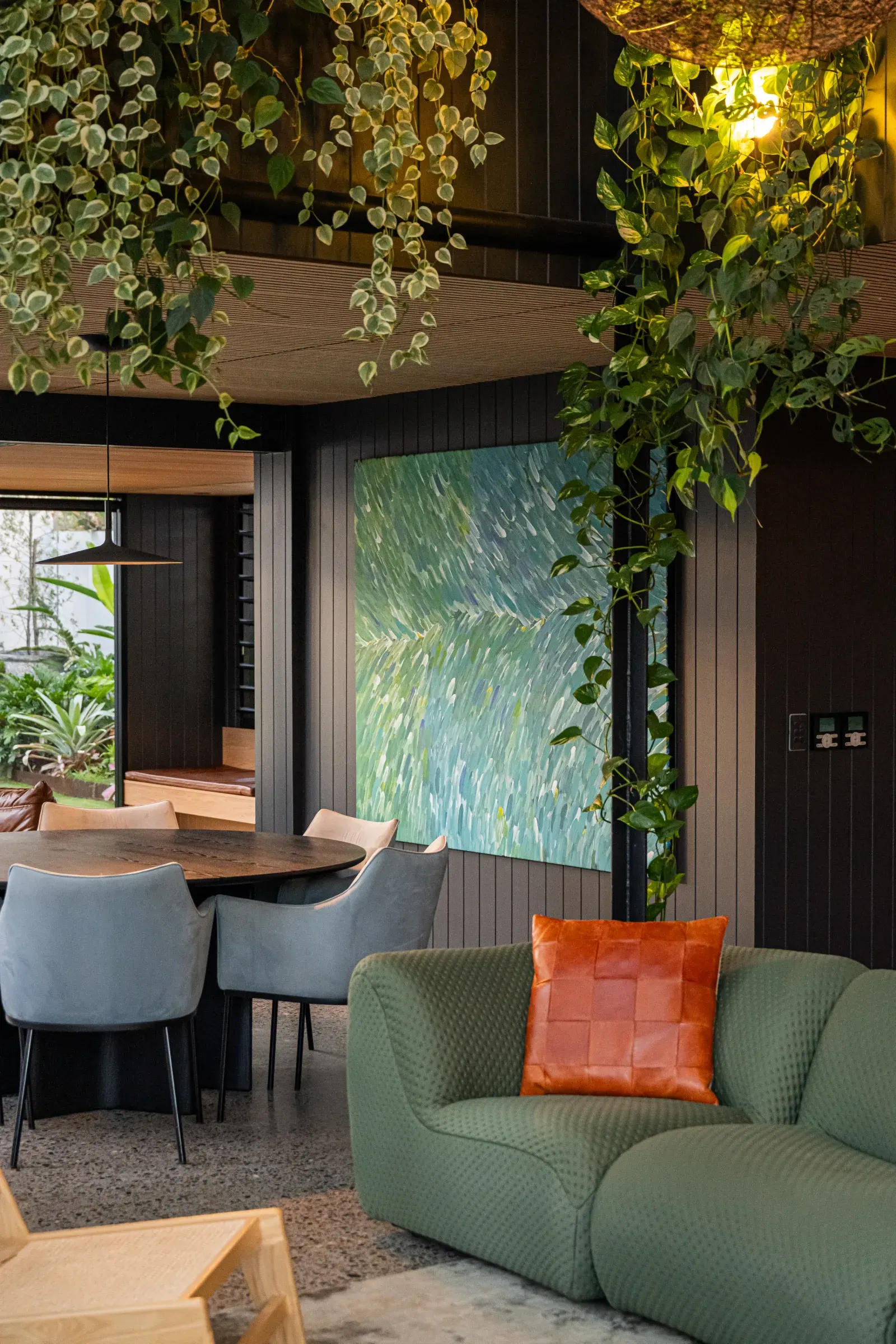
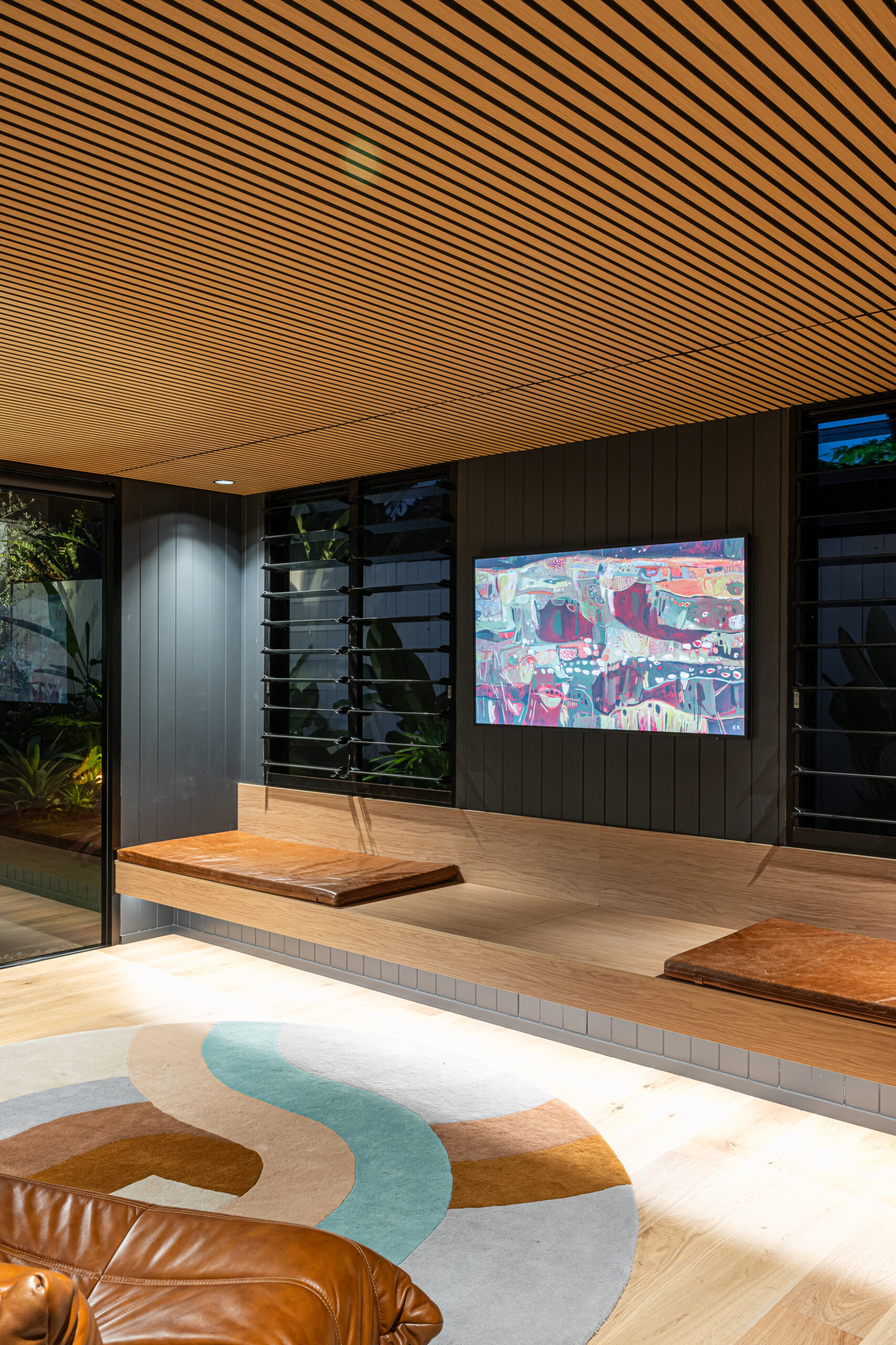
A series of carefully considered material interventions were introduced to soften and enrich the interior experience. Contemporary finishes, including timber battens, VJ linings, and carpet, were layered selectively to add warmth and tactility, creating a balanced dialogue between the building’s robust structural framework and everyday domestic life. Operable louvres were incorporated to enhance cross-ventilation and passive comfort, responding directly to Brisbane’s subtropical climate.
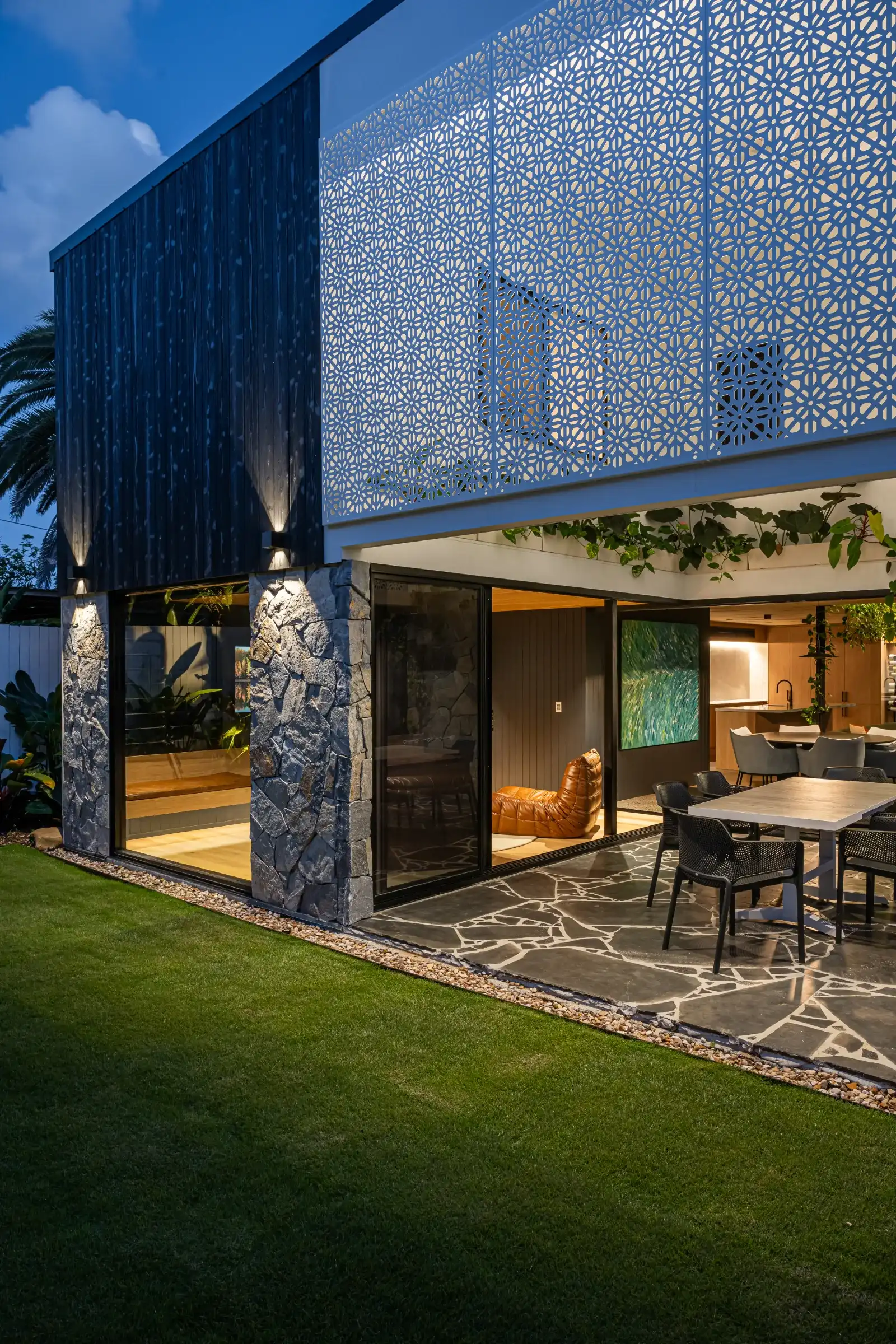
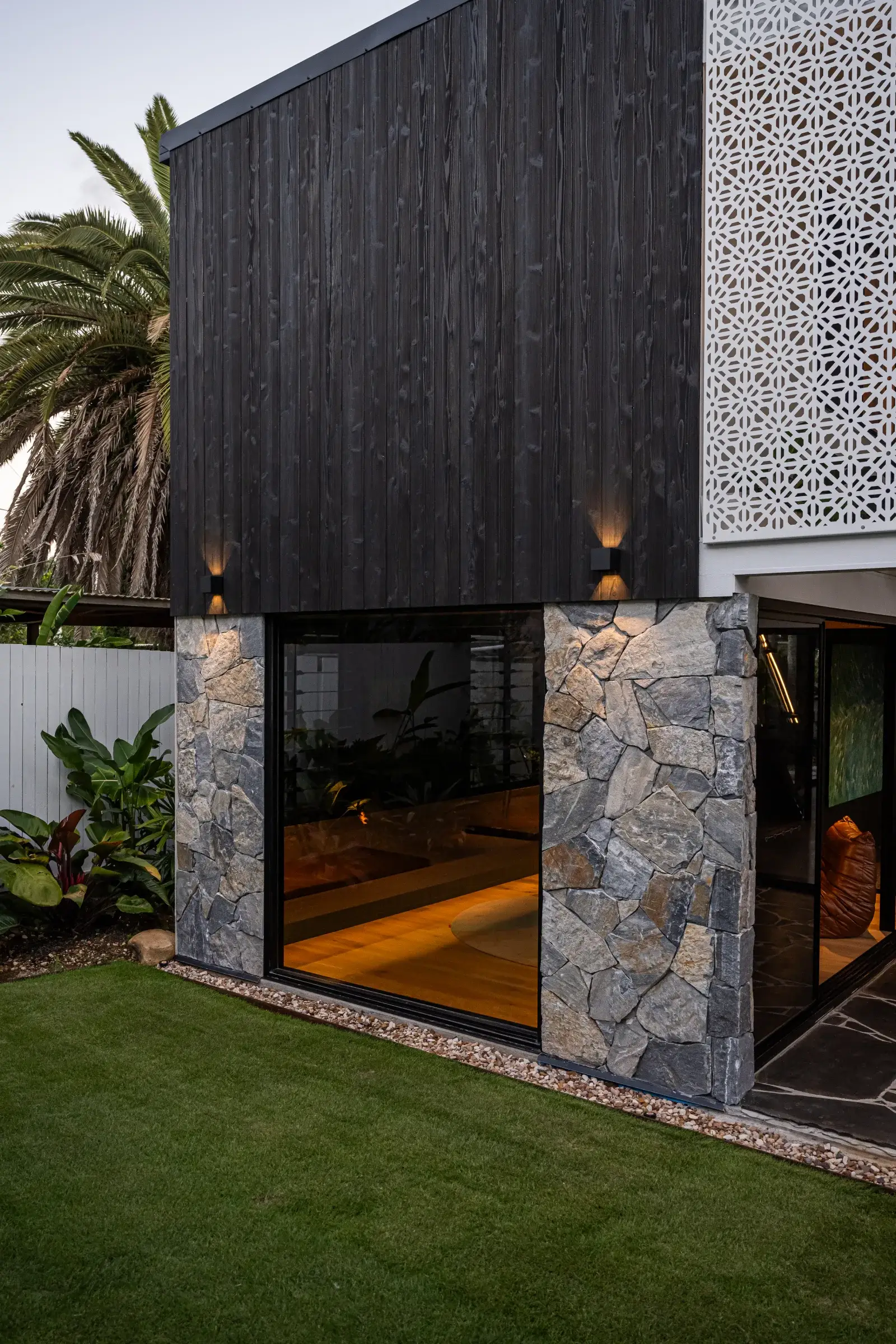
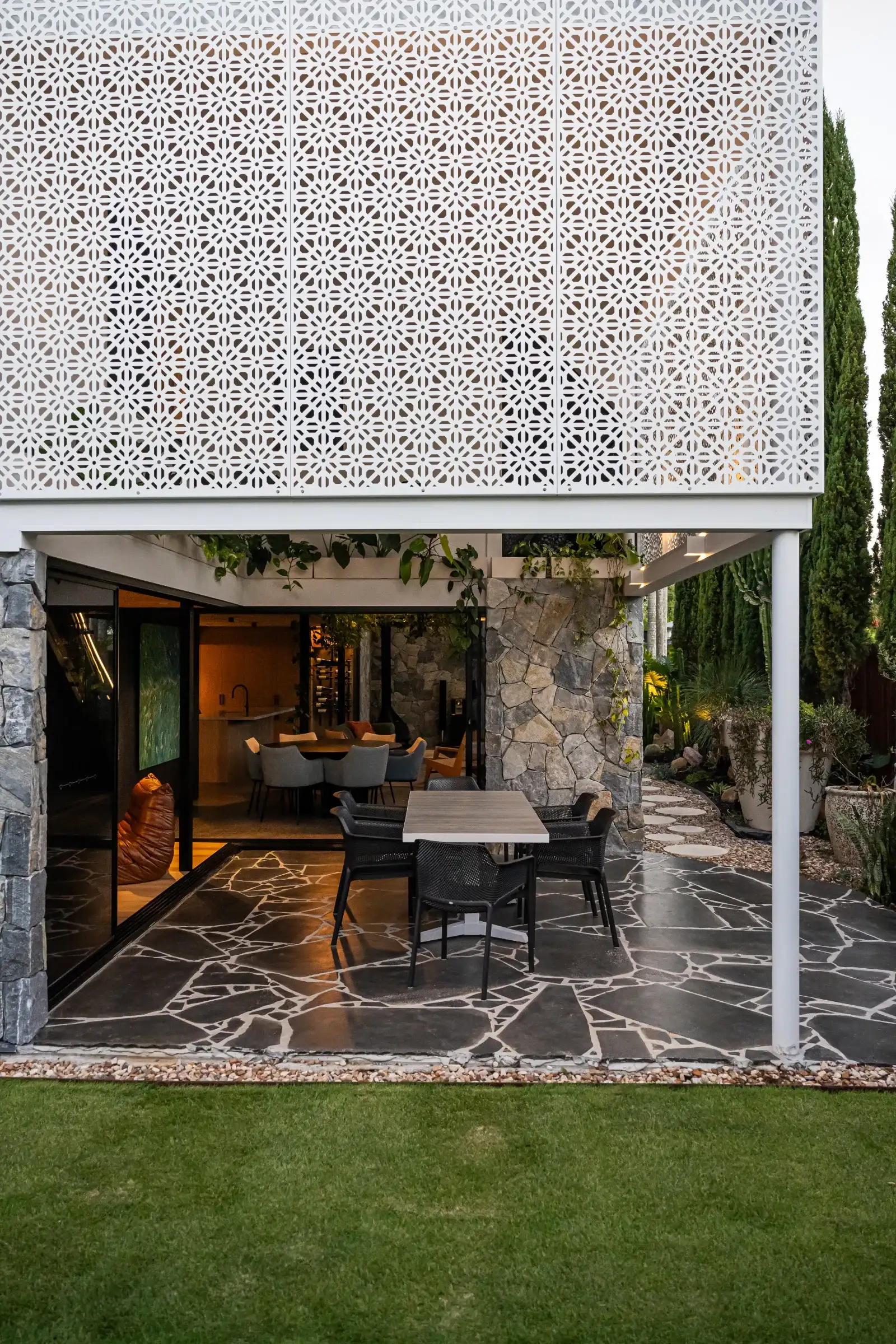
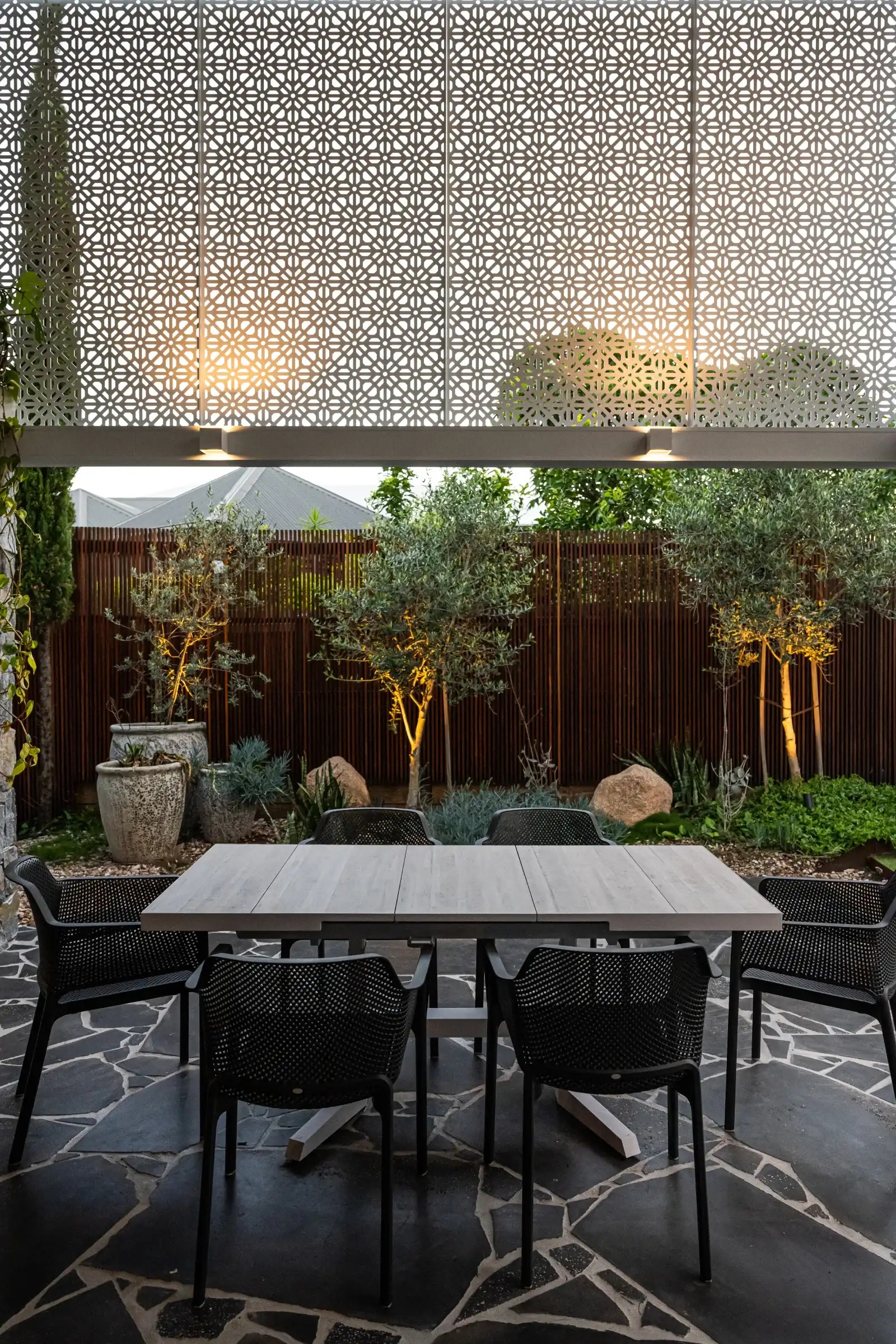
A new double-height patio was introduced to create a generous and practical outdoor living space, strengthening the connection between inside and out and extending the home’s usability throughout the year. Along the side of the residence, existing full-height glass glazing continues to act as a light-filled internal garden zone, providing an ideal environment for indoor planting to thrive and reinforcing the relationship between architecture, landscape, and light. Carefully integrated lighting design subtly enhances the building’s geometry and materiality, allowing the architecture itself to remain the primary art form experienced in daily life.